

Nepal flood 2026: a glacier collapse flooded the Nepal–Tibet border. Here is how to actually help.
The August 2026 Nepal flood was caused by a sudden Himalayan glacier and moraine failure that sent a wall of water down the Bhote Koshi and Trishuli systems, destroying bridges, highways and whole riverside settlements. A new barrier lake upstream is still filling. This hub collects verified ways to give, find missing people, log damage and stay out of the next surge.
- 1,410
- Confirmed dead in Nepal, 17 Sep 2026
- 6,145
- Still missing in Nepal, 17 Sep 2026
- 13,756
- People rescued so far
- 26 Aug 2026
- Date of the glacier collapse surge
Figures from NDRRMA’s update of 17 September 2026 (reported by PTI / The Hindu / Republic World): 1,410 bodies recovered, 6,145 people still missing — including 587 foreign nationals and 488 children — and 13,756 rescued in Nepal, with Chitwan recording the highest district death toll (364). Nepal estimates reconstruction at close to US$7 billion (12 September 2026). Across the border in Bihar, nearly 5 million people are flood-affected in 15 districts, with over 1,200 community kitchens running. Numbers move daily — treat them as a floor.
The numbers
The disaster in data
Compiled from official Nepali and Chinese figures reported up to 18 September 2026. Numbers change daily — always check the official portal before repeating them.
Dead and missing, Nepal vs Tibet
Nepal: 1,410 dead and 6,145 missing (NDRRMA update, 17 September 2026, via PTI / The Hindu). Tibet: 43 dead and 519 missing (Chinese state media, 16 Sep). Totals differ between agencies — treat them as a floor.
People affected and rescued
- 93,000+ people affected (Red Cross, 28 Aug)
- 13,756 rescued by police, army and APF (NDRRMA, 17 Sep)
- 6,145 people still missing, including 587 foreign nationals and 488 children
Rescue and recovery numbers are still moving daily.
How the disaster unfolded
26 Aug 2026
Glacier and moraine collapse; surge down Bhote Koshi / Trishuli
27 Aug 2026
Highways, bridges and power lines cut; districts isolated
28 Aug 2026
Toll passes 390; barrier lake upstream monitored
29 Aug 2026
Rescue paused by weather, then resumed; toll 675 in Nepal
30 Aug 2026
Nepal toll 734; mass burials begin at Devghat; tunnel rescue at Trishuli 3A
1 Sep 2026
Combined Nepal–Tibet deaths top 1,000; UN warns millions face future glacial-flood risk
2 Sep 2026
NDRRMA reports 1,114 dead and 3,916 missing; tunnel rescue at Trishuli 3A continues
3 Sep 2026
Nepal toll reaches 1,252 with 4,216 still missing; ~20,000 houses must be rebuilt; families hold symbolic rites for the untraced
7 Sep 2026
Candlelight vigil at Basantapur Durbar Square marks 13 days since the flood; Bihar reports 2.9 million people affected across 13 districts
11 Sep 2026
NDRRMA update: 1,385 dead, 5,130 missing, 13,676 rescued, Chitwan worst hit; Bihar flooding reaches 4.7 million people in 15 districts with 1,221 community kitchens; India sends relief flights and specialist equipment
12 Sep 2026
Nepal estimates reconstruction at close to US$7 billion
16 Sep 2026
Nepal revises missing list up by ~1,000 to 6,150 after district verification; 10 bodies recovered from Chilime and Upper Trishuli-1 hydropower tunnels; combined Nepal–Tibet toll 1,446 dead
17 Sep 2026
NDRRMA: 1,410 dead (364 in Chitwan), 6,145 missing including 587 foreign nationals, 13,756 rescued; 27 holding centres shelter 1,700+ displaced; Acrow bridge opens at Devighat
18 Sep 2026
Only 104 bodies identified so far — DNA matching underway with 1,286 deceased and 1,944 relative samples; 104 children orphaned and 439 separated from parents (government survey)
Times approximate; based on public reporting.
What recovery will cost
~$7bn
Estimated rebuild cost
Nepal government estimate, 12 Sep
~15%
Share of GDP (approx.)
Nepal GDP ≈ $45bn
30m
Population of Nepal
Context for the scale of loss
Nepal has asked for technical help — tunnel rescue, DNA identification and transport restoration — rather than more general search teams.
Start here
How to use this site — and what to do about the situation right now
This site is informational only. It does not take donations, ship goods or contact anyone on your behalf. It tells you what to do, in what order, depending on who you are.
If you are downstream right now
Do this first
If you want to help from anywhere
Give cash, not goods
If you can send physical supplies
Supply chain page
If you decide or influence policy
Action plan page
The incident · 2026
What happened, in pictures and footage
Visual context for the 26 August 2026 Himalayan flood. The images below are illustrations drawn from public reporting — they are not photographs taken at the site. For real footage, use the verified sources listed underneath.
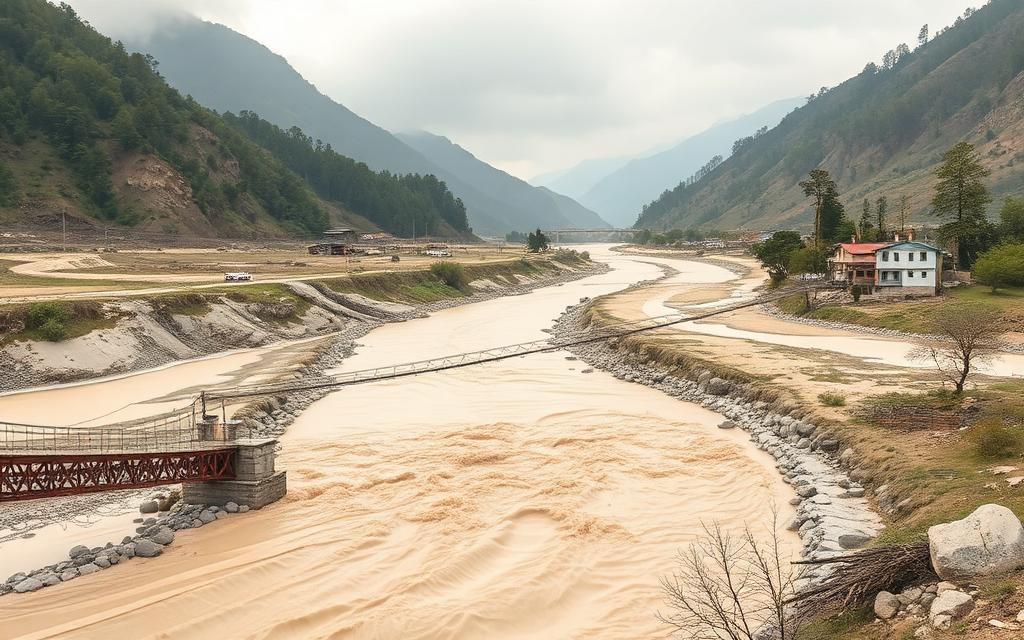
The valley after the surge — 26 August 2026
Bhote Koshi / Trishuli corridor: swollen silt-laden river, collapsed suspension bridge, riverside houses and terraces stripped. Illustration based on public reporting, not a photograph from the site.
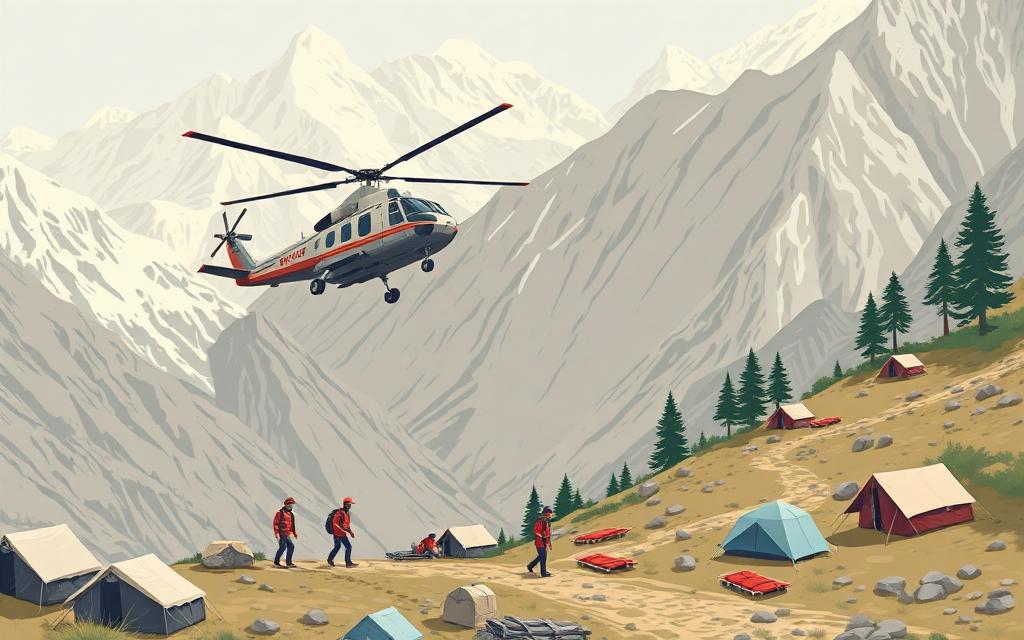
Response and access — late August 2026
With the Pasang Lhamu highway cut, helicopters and porter teams carry search crews, tents and medical kit into settlements that trucks cannot reach. Illustration, not a photograph.
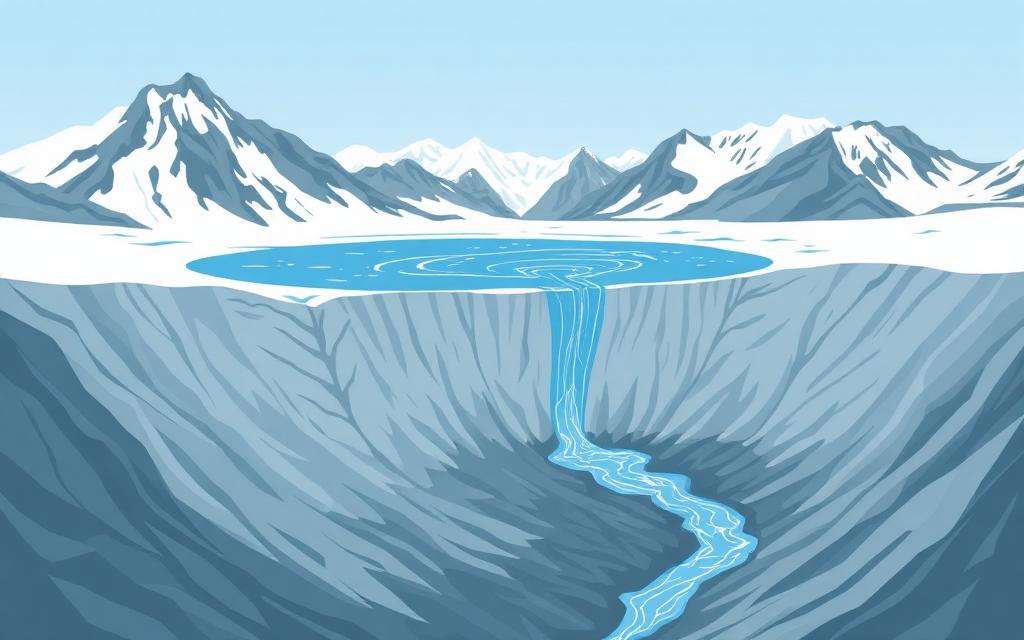
What is still upstream (2026)
A landslide-formed barrier lake continues to fill behind unstable debris. If it breaches, a second surge follows the same valley. Schematic illustration.
Video and live sources
This site does not host or verify third-party footage. Check the date and outlet before sharing anything — old flood clips are widely recirculated as new during every event.
Please note: this website does not accept or collect any donations — it is informational only. The links below go directly to independent organisations; always verify them yourself before giving.
Give
Verified organisations working in the affected districts
Unrestricted cash to responders already on the ground beats shipped goods every time — air and road capacity into these valleys is the binding constraint.
What's needed
Priority needs right now
If you are a company, foundation or technical volunteer, these are the gaps aid agencies are naming.
Search & rescue
Clean water
Shelter
Trauma & mental health
Connectivity
Cash transfers
Missing people
Finding someone
Hundreds of residents and trekkers are unaccounted for across Langtang, Rasuwa and the Tibetan side of the border.
Your embassy in Kathmandu
For foreign nationals
Stay alive
Safety guidance for people downstream
The immediate flood is over; the secondary hazards are not. A barrier lake formed by landslide debris can fail without warning.
- 1Treat the upstream barrier lake as an active threat: if you are in a valley below the surge zone, sleep on high ground.
- 2Move at least 30 vertical metres above the river, not just away from the bank — GLOF surges climb valley walls.
- 3Do not cross damaged suspension bridges or fresh debris fans; both fail under load hours after a flood.
- 4Boil or chlorinate all water. Post-flood diarrhoeal disease kills more people than the flood in many events.
- 5Register missing relatives with Nepal Police and the Red Cross Restoring Family Links service rather than only on social media.
- 6Avoid travelling to affected districts to volunteer unless you are with a requested, self-sufficient team — untrained arrivals consume scarce food and transport.
Next
This will happen again unless flood risk is managed differently
Warming has produced thousands of unstable glacial lakes across the Himalaya, Andes, Alps, Caucasus and Central Asia. See the step-by-step national playbook and what actually works.